Once again more time has passed since my last write-up for the website than I could ever anticipate, but here we are in the middle of summer and the time feels so resonant it’s sort of surreal. For all its faults, the World Cup took over five weekends in Los Angeles in a way no one could have suspected; on the bus on my way to the Mexico vs England game, my pals and I met a streamer from Scotland heading to Plaza Mexico in Lynwood for the match. It goes without saying that he was rooting against the crown and for the Mexicans; yet even weeks after it was over, in one convo after the next, I learned of this solidarity for the southernmost host nation from all corners of the world; one tweet in particular captured it immaculately:

I happen to know that this solidarity with Mexico or “the Mexicans” wasn’t simply coincidental or just a form of compassion, but that it was also about shedding this timidity that’s become so normal in everyday life under the shadows of so many war profiteers and their benefactors online. To admit with others that we were–and remain–united against their hegemonic hold on power was to remind ourselves of just how many of us there actually are out there all the time.
Speaking of another era of resistance against hegemony, at a recent talk to discuss his book, Slavery and Capitalism: A New Marxist History, author David McNally noted that “Solidarity is the greatest antidote to fear in the world.”
In the year leading up to the World Cup so much fear was instilled on the vox populi that it feels too latitudinous to even begin listing: the “AI” takeover and its accompanying surveillance state or “data centers,” a thuggish federal government hellbent on making lives miserable for myriad workers who happen to be immigrants; a Supreme Court lost to religious fundamentalism, unabashed bigotry, and authoritarianism; the dismantling of already-weak “checks and balances” on our food and environment’s greatest polluters, and more. It’s also worth noting that these events were preceded by a genocide in Palestine, and before that a nationwide struggle against police budgets in defense of Black and Brown bodies which was largely unsuccessful.
No one could argue that watching a soccer match could effect change on any of these dynamics, yet especially in the first half of the World Cup, when nations like Cabo Verde and Egypt nearly stunned the world at the expense of the status quo–while Mexico uplifted the Iranian team in contrast to the US’s disgraceful discrimination against them–doing so was this personally “loud” way for millions of us to combat the cynicism and apathy so much bad news is bound to invoke in us. It was to get out there and cheer, or cheer against, an array of emotions that have gripped us watching the world turn upside down from one day to the next.
In the same talk for his book, McNally dispels a myth about how slavery was actually abolished in the US in the 1860s. At the height of the Civil War, he notes, Lincoln himself did not free the slaves due to his own benevolence, but because so many enslaved communities freed themselves to the point that he was forced to catch up with their momentum and adjust the union’s plans accordingly.
Today it’s no news to anyone that workers earn less on the dollar than at any point in US history, even while we’ve never been more productive as a labor force. At the same time, it’s clear that wars abroad or not, disaster capitalism reaches further into our cities and personal lives every year, with the Lineage Fire in Boyle Heights and the Ridge Fire in Gorman being only the latest cases in Los Angeles where people face total devastation while conglomerates nearby slow down any form of accountability and restitution due to their mastery of the legal process.
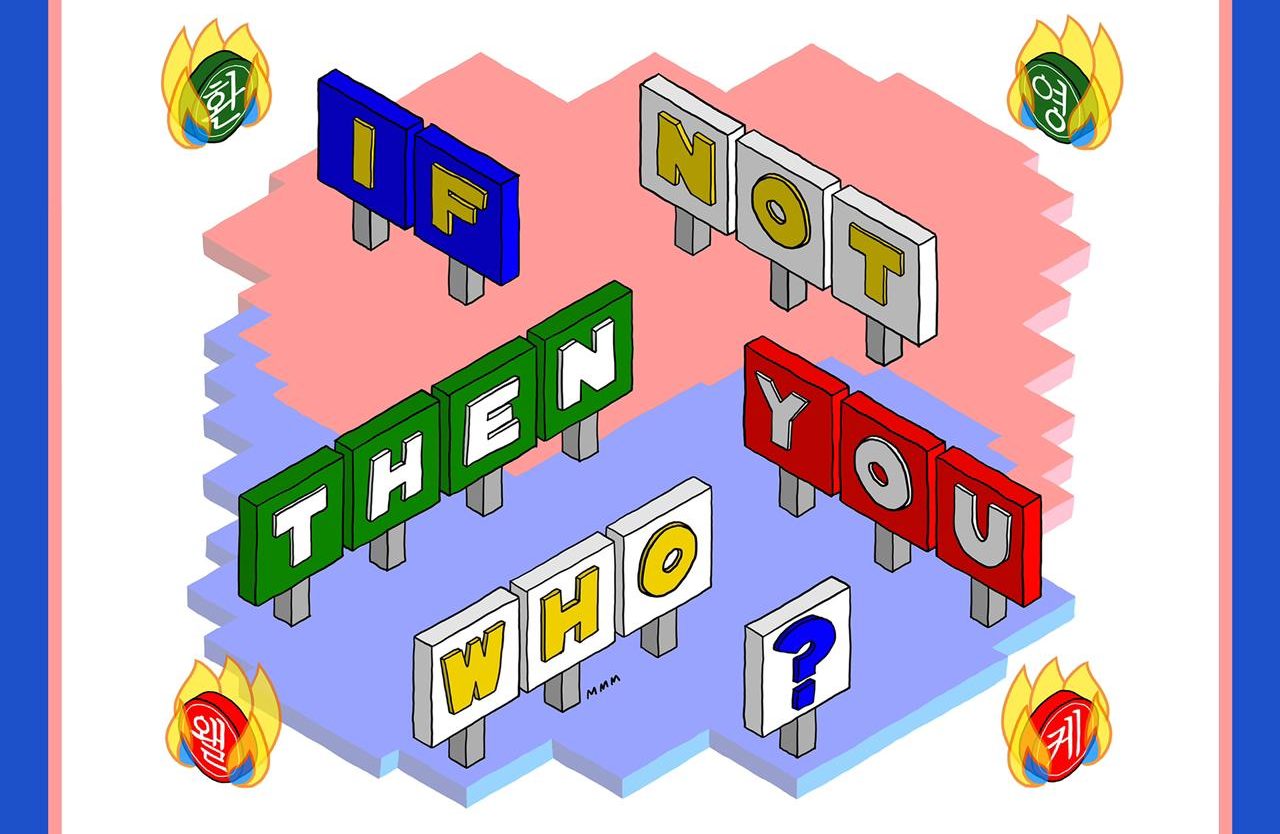
But as the volunteer cleanup brigades and hundreds of other volunteers showed at the Pasadena Job Center after SoCal Edison’s Eaton Canyon fire last year, there’s never any telling just how far “showing up” for one’s neighbors, friends and family actually goes. It’s this same desire to show up for peace, safety, and justice for the people in the “three branches” of East Hollywood, Los Feliz and Silverlake that leads me to invite you to RENASCENT by Quién Es Tu Vecindario, aka Who Is Your Neighborhood.


In case it’s your first time hearing of it, Quién Es Tu Vecindario is a nonprofit that officially turned six years old this July even though our work in East Hollywood really goes as far back as the summer of 2018. That’s when yours truly and a band of volunteers provided free school supplies to dozens of attendees at two summer “Back to School“ parties while also connecting them to journalists, artists, and other non-profit service providers, including Tenants Rights organizers and Women’s Self Defense instructors. Since then, Quién Es has never been funded by any major sponsors, yet we’ve consistently found a way to make big impacts on the people our team has dedicated itself to.
Over the last year, our team raised over $2,000 for vendors whose businesses were drastically affected by the federal government’s blitzkrieg through Los Angeles. Slowly but surely, we distributed this money to more than a dozen vendors in East Hollywood, and as we noted about our Vendor Buyout campaign at the time, “while none of our donations meant [vendors] could just take the day off work altogether, they still served to acknowledge the value of their labor and affirm that their community sees and stands by them during this time.”
Now, it’s time to raise this sum and go even farther to strengthen our people-powered and family-centric network across East Hollywood, Los Feliz, and Silverlake altogether. And what better way to do this than through another summer party for our community, the biggest of them yet?

100 people, 100 plates of food and drinks. Live music, and four special honorees whose work and resolve for our community will be uplifted and recognized. Our location for the event is yet to be announced as a special surprise, but please trust that it will be held at an historic site for our neighborhood. For now, learn more and grab your tickets here. The purchase of a single $25.00 entry ticket ensures one plate and access to the evening’s program as well as a ticket for the raffle, while the purchase of a $50.00 or $100.00 ticket ensures a meal for the evening, special perks and goodies through the program, plus additional raffle tickets. And even if you’re unable to attend but would still like to support, your purchase of one $25.00 entry ticket ensures a meal can be donated to a family in need on the evening of our event.
If you or your small business would like to donate an item for the evening’s raffle, don’t hesitate to reach out! All the more so since Quién Es Tu Vecindario’s nonprofit status ensures your donation is tax-deductible. Last but not least, if you’re unable to donate or purchase a ticket at this time, you can still join me in spreading the word for RENASCENT in East Hollywood on August 27th!
J.T.