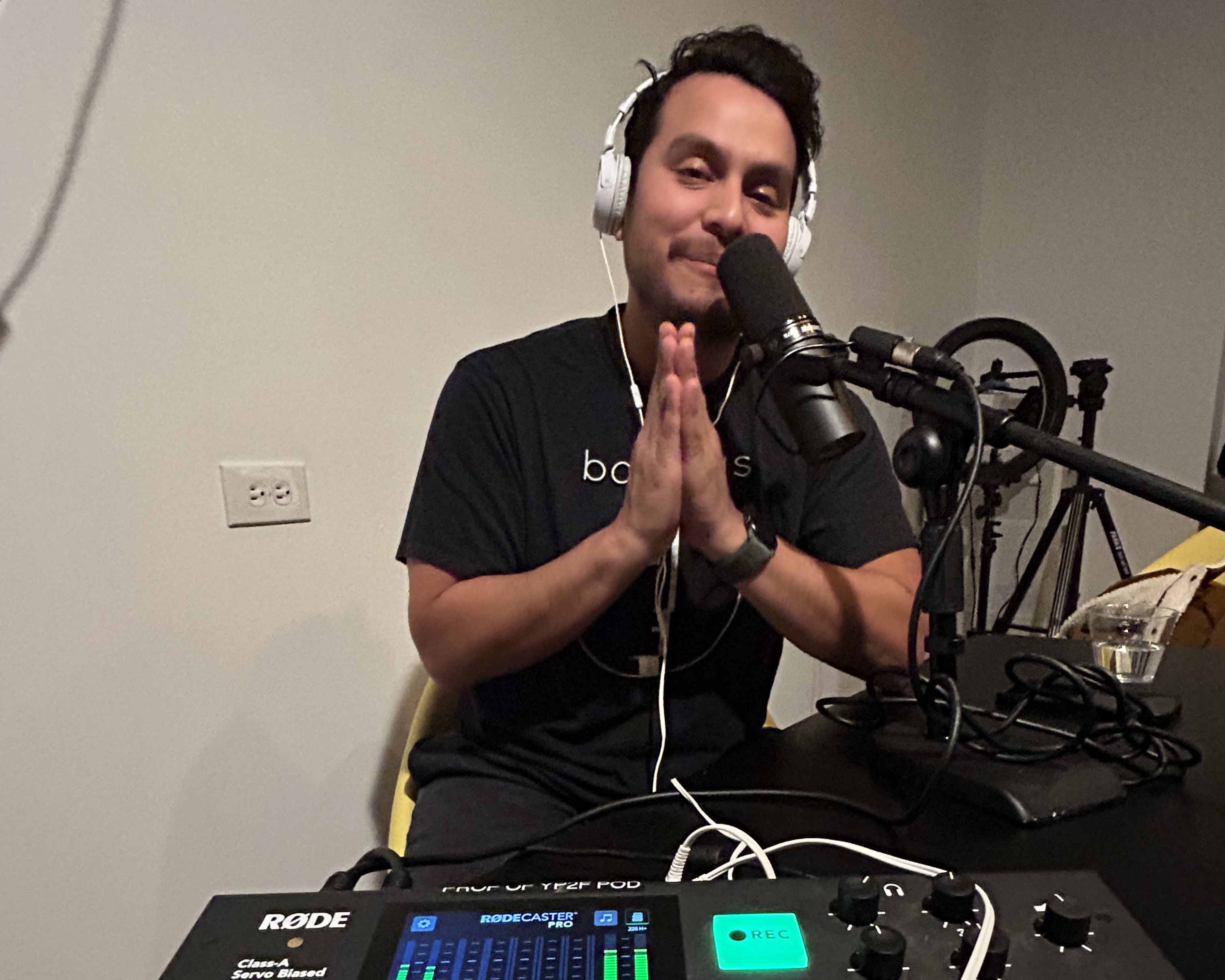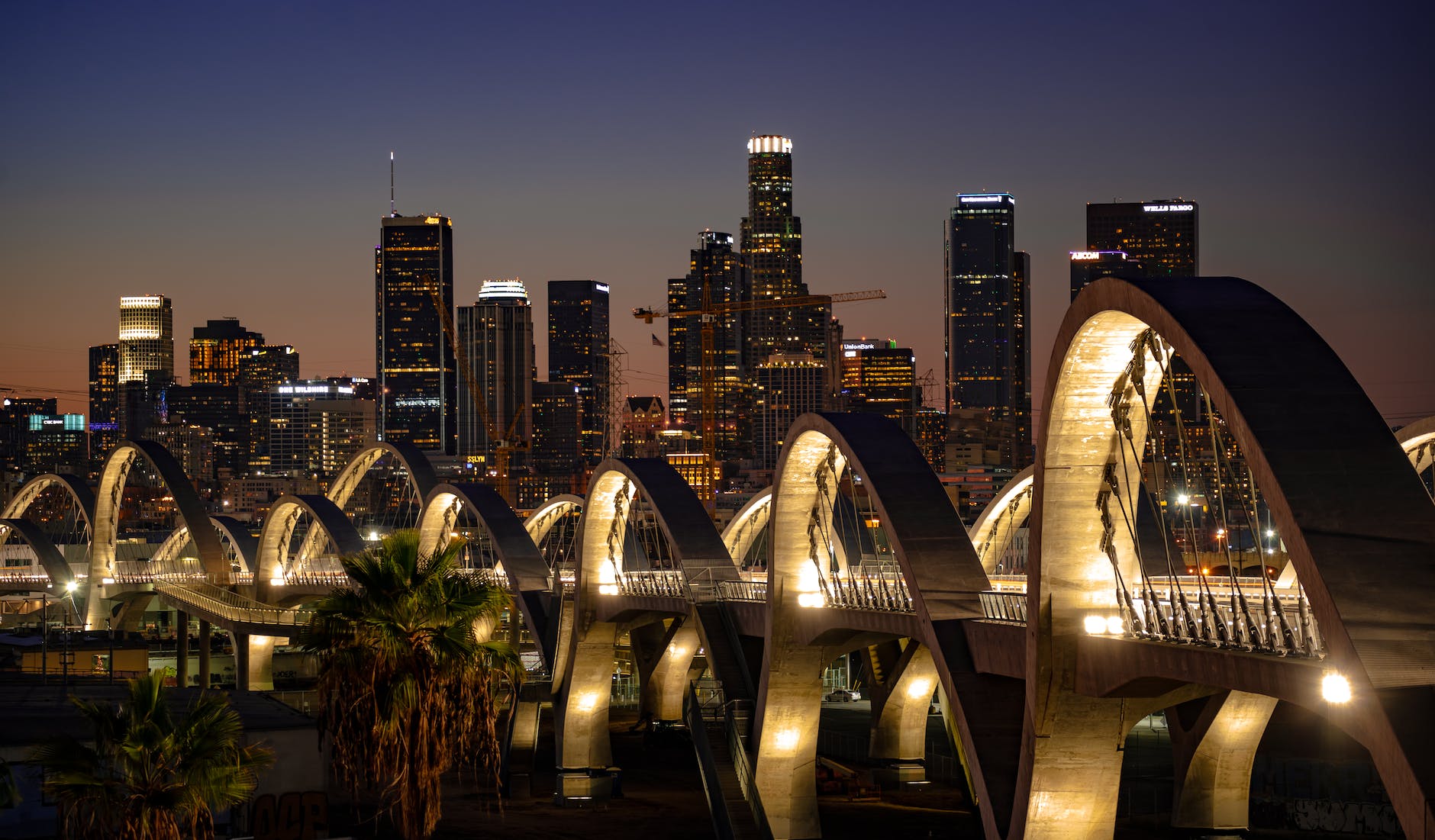
sixth street bridge in los angeles california

2024 L.A. City Council and LAUSD Races to look out for by funds raised

Please note that these numbers are for campaign contributions disclosed to the L.A. Ethics Commission as of September 30th, 2023. Q4 Reports should be out before the end of January 🤞🏽


L.A. City Council District 2

Neighborhoods in CD-2 include North Hollywood, Studio City, Sun Valley, Toluca Lake, Valley Glen, Valley Village, and Van Nuys.

CandidateTotal Raised as of September 30, 2023Endorsed by:
Adrian Nazarian$540,783.00Mayor Bass, L.A. County Sheriff Luna,
outgoing CD-2 Rep. Paul Krekorian
Sam Kbushyan$293,345.00Former L.A. City Attorney, Carmen “Nuch” Trutanich
Manuel Gonez$140,145.79Cindy Montanez, Victor Narro of the UCLA Labor Center, Ed Begley Jr., Muslim Dem Club of Southern California

L.A. City Council District 4

Neighborhoods in CD-4 include Los Feliz, Hollywood Hills, Encino, Sherman Oaks, parts of Reseda, Silver Lake, Studio City, and Van Nuys.

CandidateTotal RaisedEndorsed by:
Nithya Raman (Incumbent)$254,085.22Mayor Bass, Supervisor Hilda Solis, Democratic Party of the San Fernando Valley
Ethan Weaver$141,779.93L.A. Police Protective League, United Firefighters L.A. City, Association for L.A. Deputy Sheriffs

L.A. City Council District 6

Neighborhoods in CD-4 include Lake Balboa, Van Nuys, Panorama City, Arleta, North Hills, North Hollywood and Sun Valley. However, Council District 6 held a special election this past June to replace outgoing Council Member Nury Martinez and elected Imelda Padilla until December 2024. Check back for an update to see if the seat will actually be back on the ballot for the 2024 – 2028 term.

CandidateTotal RaisedEndorsed (previously) by:
Imelda Padilla (Incumbent)$34,960.00L.A. Times, L.A. Daily News, The Apartment Association of Greater Los Angeles (AAGLA)

L.A. City Council District 8

Neighborhoods in CD-8 include Baldwin Hills, Chesterfield Square, Crenshaw, Leimert Park, Jefferson Park, West Adams, Hyde Park, Vermont Vista, Green Meadows, View Heights and West Park Terrace.

CandidateTotal RaisedEndorsed (previously) by:
Marqueece Harris-Dawson (Incumbent)$177,150.00Congressman Bass, former Mayor Garcetti, CD-2 Rep. Paul Krekorian

L.A. City Council District 10

Neighborhoods in CD-10 include Arlington Heights, Koreatown, Mid-City, Palms, South Robertson, West Adams, and Wilshire Center.

Candidate Funds RaisedEndorsed by:
Grace Yoo$186,714.81Former LA City Controller, City Council Member, and California Inspector General Laura Chick
Heather Hutt (Incumbent)$174,785.00The Hollywood Chamber PAC
Reginald Jones-Sawyer$174,126.00Los Angeles County Federation of Labor, Congressman Adam Schiff

L.A. City Council District 12

Neighborhoods in CD-12 include Chatsworth, Granada Hills, Northridge, Porter Ranch, West Hills, North Hills, and Reseda.

CandidateFunds RaisedEndorsed (previously) by:
John Lee (Incumbent)$308,352.00The Armenian National Committee of America – North San Fernando Valley (ANCA – North SFV), Los Angeles Area Chamber of Commerce

L.A. City Council District 14

Neighborhoods in CD-14 include Boyle Heights, Skid Row, El Sereno, Ramona Gardens, the Arts District, Eagle Rock, and parts of Highland Park.

CandidateFunds RaisedEndorsed by:
Miguel Santiago$359,848.17Los Angeles County Federation of Labor, Los Angeles County Democratic Party, Los Angeles Area Chamber of Commerce
Wendy Carrillo$180,761.87Assembly Speaker Anthony Rendon, former Mayor Antonio Villaraigosa
Kevin De Leon (Incumbent)$117,285.00
Ysabel Jurado$101,643.86CD-1 Representative Eunisses Hernandez, LAUSD Board President Jackie Goldberg, Culver City Mayor Emeritus Dr. Daniel Wayne Lee

LAUSD District 1

District 1 covers a broad area from Mid-City to Pio-Pico, the West Athens area, and more.

CandidateFunds RaisedEndorsed by:
Dewayne Davis$33,490.00Former LAUSD Superintendent Dr. Ramon C. Cortines
Didi Watts$32,729.77LAUSD District 4 Representative Nick Melvoin, LAUSD District 7 Representative Tanya Ortiz Franklin,

LAUSD District 3

District 3 covers a broad area encompassing most of the West San Fernando Valley.

CandidateFunds RaisedEndorsed by:
Dan Chang$108,746.00Former Mayor Antonio Villaraigosa, former LAUSD Board President Monica Garcia, and current LAUSD District 7 Representative Tanya Ortiz Franklin
Janie Dam$50,980.00
Scott Schemerelson (Incumbent)$40,868.40United Teachers of Los Angeles

LAUSD District 5

District 5 covers a massive area through Eagle Rock, Glassell Park, Highland Park (small part), Mt. Washington, Elysian Valley, northern Echo Park and Silver Lake, Los Feliz (part), Atwater Village, Hollywood, East Hollywood (part), Koreatown (part), Pico Union (part), South L.A. (part), and West Adams (part). BD5 also includes the cities of Vernon, Huntington Park, Maywood, Bell, Cudahy, and South Gate.

CandidateFunds RaisedEndorsed by:
Fidencio Joel Gallardo$53,988.10Supervisor Hilda Solís, LAUSD Board President Jackie Goldberg, LAUSD District 2 Representative Dr. Rocío Rivas
Graciela Ortiz $50,000.00Los Angeles County Federation of Labor, Los Angeles School Police Officers Association, Kelly Gonez, LAUSD District 6 Representative

LAUSD District 7

LAUSD Board District 7 covers most of South L.A. and the Harbor Area.

CandidateFunds RaisedEndorsed (previously) by:
Tanya Ortiz Franklin$36,868.00Los Angeles Supervisor Janice Hahn, Former Mayor Antonio Villaraigosa, Former LAUSD Board President Monica Garcia

Naturally, this is a developing story. To get the scoop on Q4’s reports and hear more, be sure you’re subscribed to J.T. the L.A. Storyteller!

Processing…
Success! You're on the list.

J.T.

RAISING OVER $150,000 WITHOUT PAC MONEY IN L.A.


Thanks to matching funds! Los Angeles, meet Ysabel Jurado for Council District 14.

(02:15) What is Council-District 14? Which neighborhoods does it include?
(03:42) Ysabel is another Highland Park native and graduate of Immaculate Heart High School
(05:38) Sharing the Highland Park area with Council-District 1, which takes the side south of York Blvd
(06:49) The reason Ysabel decided to run for this seat was to fight for her community (back in August 2022)
(09:33) What Ysabel’s hearing from community members about city politics
(11:39) Ysabel’s experience as a Tenants’ Rights Attorney fighting evictions during lock-down due to COVID-19
(13:06) On Social Housing in Los Angeles as a part of fighting the housing crisis
(14:52) Support the Eastside Cafe, which is fundraising to purchase more land back for El Sereno community
(17:20) Council-District 14 has the highest number of eviction filings out of all the districts; we need to enhance renter protections
(22:41) According to the National Low Income Housing Coalition, since the median rent for a two-bedroom apartment in California is $2,197, the median or minimum wage should be $42 an hour
(25:21) Ysabel has raised more than $150,000 for her campaign without PAC or corporate money
(26:18) What would Ysabel do with millions of surplus money in CD-14? Also, my humble Patreon plug!
(29:12) Protecting small, legacy businesses, including in Boyle Heights
(30:01) Dealing with resentment and frustration from community members re: resources for unsheltered folks
(34:58) L.A.’s Planning and Land Use Management committee accepted an appeal in Boyle Heights over Tiao Development’s proposed destruction of legacy businesses on Cesar Chavez Ave. to build market-rate housing
(39:14) Dealing with jadedness on housing and the idea that working-class communities cannot win against developers
(41:16) How Ysabel would serve on L.A.’s Planning and Land Use Committee
(43:04) Ysabel’s roots as a Filipina-American and how they inform her sense of land and stewardship rather than ownership
(45:27) Explaining how Tiny Homes are actually NOT housing
(50:40) How Ysabel will not allow for her identity as an Asian-American to be used as a “racial wedge” between her and Latinx communities
(52:28) At just over 50 days before mail-in ballots reach voters, what’s Ysabel up to?
(54:22) Follow Ysabel Jurado’s Campaign for Council District 14 on Instagram at @ysabeljuradola.

To make a one-time donation to my fundraiser for the 9th anniversary of JIMBO TIMES, please do so through jmbtms.com. To support the production of J.T. the L.A. Storyteller Podcast, please check out my PATREON.

J.T.

SOUTHEAST L.A. IN THE BUILDING

On this edition of J.T. the L.A. Storyteller Podcast, yours truly sits down for an extensive conversation with the Social Primate Podcast’s Eddie Aguirre. Eddie is a graphic designer by trade and has hosted the Social Primate Podcast since 2017. We discuss Eddie’s roots on the Southeast side of Los Angeles, better known as SELA, the city of Cudahy and its recent call for a ceasefire in Gaza, God of War 3, L.A. Metro’s vote to name their new rail-line for SELA (which ends on December 17th), Eddie’s evolving relationship with his son, and more.

(1:48) Introducing Eddie Aguirre, of the Social Primate Podcast
(7:51) The way the things we make showcase only a part of us, not the whole thing
(12:56) What is SELA?
(16:58) Cudahy
(24:35) How psychedelics were a major part of the Social Primate Pod’s development
(26:50) GTA 6 Trailer and the role of gaming in our lives
(30:13) Eddie’s crucial beginner games included Pokemon Red
(32:57) God of War 3 is special, though
(36:46) Kratos is the warrior’s warrior, full of toxic masculinity
(39:40) Palestine-Israel since October 7th and its effect on Eddie as a father + more on gaming
(51:16) Eddie crafts a balance with his son when it comes to how much gaming he can do right now
(54:01) Back to SELA and mainstays for Eddie there
(1:01:45) L.A. Metro and a new rail-line through Southeast L.A.
(1:04:33) Choosing a new name for this rail-line; the list
(1:13:00) A side-quest: Once upon a time on L.A. Metro’s Blue Line
(1:24:48) The Southeast Gateway Line, maybe?
(1:29:09) The Tongva…or Kizh Line, maybe?
(1:31:00) Learning about our roots empowers us; Eddie himself has had a special journey with this
(1:36:08) Eddie’s bombshell! (Which yours truly is honored to have him share on the pod)

Here’s that map of California as an island to cartographers in 1650, btw. And keep up with the Social Primate Podcast on Instagram: @socialprimates.

To make a one-time donation to my fundraiser for the 9th anniversary of JIMBO TIMES, please do so through jmbtms.com. To support the production of J.T. the L.A. Storyteller Podcast, please check out my PATREON.

J.T.

Btw L.A., did you know…?

Did you know that on L.A. Metro’s A Line, formerly known to a generation as “The Gold Line,” the dilapidated, creaky building you can see from the Chinatown to Lincoln Heights/Cypress station, is actually the former Lincoln Heights jail?

In 2016, the L.A. Times noted that: “In the early years of the jail, which opened in 1931, some people were hauled to the building along the concrete-lined L.A. River because they were gay, leading to the creation of a separate wing, according to the Los Angeles Conservancy. Many of those arrested during the 1943 Zoot Suit riots, in which [white] servicemen targeted young Mexican Americans, were taken to the Lincoln Heights Jail on North Avenue 19.”

Young, mostly Mexican American men jailed in Lincoln Heights in the late 1930s. Photo courtesy of the L.A. Public Library.

The jail was also used for the federal government’s efforts against labor-organizing across the nation during the 1930s. One prisoner, E. Yagamuchi, was taken by authorities from the Imperial Valley and jailed for two years there, presumably for involvement with local labor organizing. Yagamuchi faced deportation to Japan before the International Labor Defense (ILD) organization rallied to his defense. In August 1932, the ILD’s efforts won him and another Japanese-American, Tetsui Horiyuchi, a “voluntary departure” to the U.S.S.R. instead.

The Lincoln Heights jail was officially closed in 1965, including because of overcrowding conditions that became well too apparent when residents taken from the Watts neighborhood were booked there during the Watts Rebellion in August 1965.

Lincoln Heights jail photograped in 1936. Photo courtesy of the L.A. Public Library.

Now, 58 years after the fact, the youngest member of L.A. City Council, who also just completed her first year in office, is looking to transform the former jail into social housing for the Lincoln Heights community. Think it can’t be done? Hear about it and more through our latest podcast with Council Member for L.A.’s 1st District, Eunisses Hernandez.

View of Downtown Los Angeles from Lincoln Heights in 2014. Photo courtesy of Wiki Commons.

And subscribe for more Cuentos soon!

J.T.

P.S. JIMBO TIMES has now officially published more than 300,000 words for working-class communities in Los Angeles. Let the city know!

On this day in L.A…

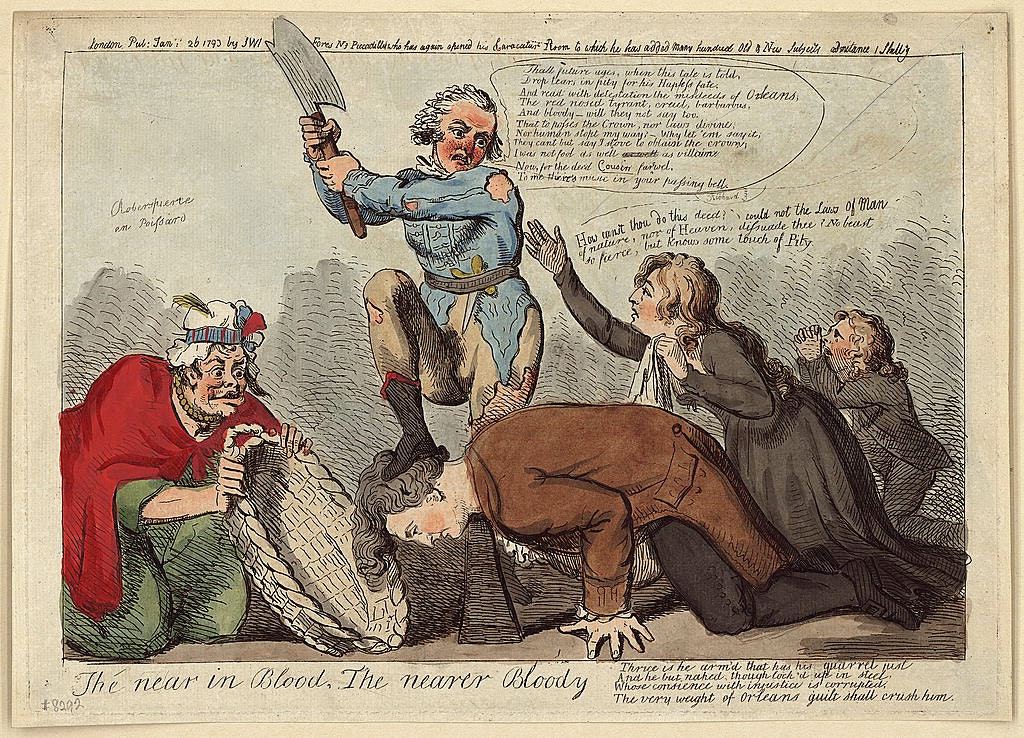
231 years ago, El Pueblo de Los Angeles was just 12 years old, while 5,600 miles away in France, the trial of Louis XVI began. 37 days later, he was found guilty of treason by the national convention and sentenced to death. On January 21st, 1793, at La Place de la Révolution in Paris, the former “Sun King” was beheaded before an estimated crowd of 100,000 people. In October of the same year, his widowed wife Marie-Antoinette was herself convicted of treason, conspiracy against the state, and stealing from the treasury. She was also subsequently beheaded.

These events shook the global order to its core, since before France’s “Declaration of the Rights of Man” in 1789, most people considered monarchs like Louis XVI answerable only to God. As such, the swift execution of him and his wife ended at least 1,000 years of monarchical rule in France and paved the way for the first French Republic, as well as the Napoleonic wars that reshaped the balance of power, including for the newly-minted United States.

Speaking of republics, in 1793, the American republic was made up of only 15 states. California was not among them, belonging instead to a consortium of territories then known as New Spain.

Photo courtesy of Wikipedia.

A census from 1790 also notes that 13 of the 15 U.S. states counted slaves among their population, with Maryland, North and South Carolina holding more than 100,000 slaves each, while Virginia–where the first slave ships first docked in 1619–held nearly 300,000 enslaved people. (An additional map below also shows the order in which the states ratified the U.S. Constitution. You’re welcome.)

Photo courtesy of Wikipedia.

A year after the 1790 census was recorded, a massive slave revolt began in Saint-Domingue, which formed the eastern side of “Hispaniola,” or the first island permanently settled in 1493 after Columbus’ arrival to the “New World.” In 1665, French and Spanish companies divided the island in two, with Saint-Domingue to the west (red) and Santo Domingo to the east (yellow). From then until the revolt, the French plantation system had forced an estimated 800,000 enslaved Africans to work sugar and coffee fields there, where conditions were so brutal that the average life expectancy for a slave was just 21 years old.

John Thomson, “Haiti, Hispaniola or St. Domingo,” 1822. Photo Courtesy of David Rumsey Collections.

By 1801, Toussaint L’Ouverture, a former slave himself who turned out to be a military genius, successfully kicked French rule out of his homeland, made himself governor, and abolished slavery under a new constitution he drafted. The revolt would ultimately take 12 years to complete and would be the only successful one of its kind in the Americas. But it was not the first. Historians today trace the first recorded slave rebellion in Saint-Domingue back to Christmas Day of 1521, when African and Taíno peoples united trying to free themselves from a plantation on the island owned by Christopher Columbus’ own son.

An illustration depicting Saint-Domingue’s slave rebellion from 1791 – 1804 against their French masters, which ultimately culminated into independence as Haiti. Photo courtesy of Public Domain.

Those 12 years were extremely bloody, however. More than 350,000 Black people were killed to that of 75,000 French whites in the effort for independence from the latter’s inhuman plantation economy. And his new constitution notwithstanding, Toussaint L’Ouverture would experience a “freed” nation of his homeland for just over a year. In the summer of 1802, he was captured by French forces and subsequently imprisoned. But his contributions to the freedom of his people and all “colonized subjects” by that point were priceless. As Toussaint was taken into custody, he is famously said to have told his captors:

“By overthrowing me, you have only defeated the trunk of the tree of freedom; it will grow back because its roots are deep, numerous, and vivacious.”

A famous portrait painting of Toussaint L’Ouverture, the first governor of Haiti. Photo courtesy of Public Domain.

The governor was right! On January 1st, 1804, this “original” colony in the Americas exploited by European conquest became just the second independent nation in the western hemisphere after the United States, declaring itself as Haiti, with respect to the indigenous Taíno-Arawak name for the entire island of Hispaniola.

Meanwhile, by that point, back in the west coast El Pueblo de Los Angeles was still a small assortment of cattle ranches and Missions, faintly 22 years old and still only a pin in the coat of New Spain. But that wouldn’t last for much longer, either. On September 16th, 1810, a Catholic priest named Miguel Hidalgo issued his Grito de Dolores, calling for an end to 300 years of Spanish rule in the Americas, the end of the caste system or casta, and a redistribution of land, which itself sparked an 11-year war culminating with the independent nation of México.

But that’s another cuento for another day. Subscribe for more soon.

J.T.