
From the brilliant minds of Lauren Bon, Metabolic Studio, Patrisse Cullors, The Center for Art and Abolition, Anawakalmekak, Chief Ya’anna Vera Rocha Regenerative Learning Village, Gabrielino-Shoshone Nation of Southern California:
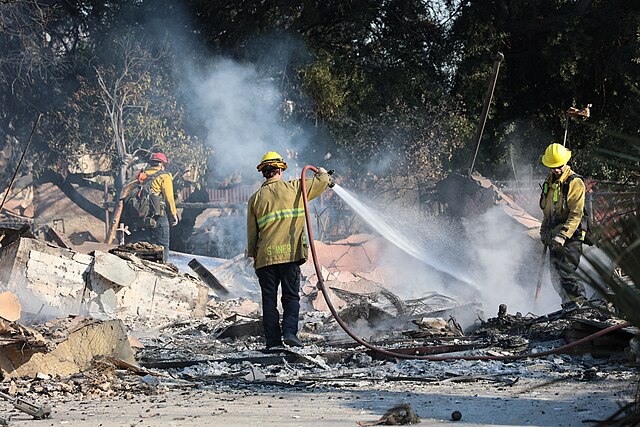
“The January 2025 firestorms have devastated the mountains and basins of Los Angeles County, underscoring the dire consequences of climate change, insufficient land and water management, and a lack of coordinated preparedness. Entire communities have been displaced, ecosystems decimated, and lives forever altered.
We, the undersigned, call upon the following entities to take immediate and transformative action:
Los Angeles County Board of Supervisors and City Councils:
- Develop comprehensive water collection systems to capture and retain rainwater during storm events, ensuring availability for:
- Firefighting efforts during wildfire seasons.
- Cultivating and sustaining green corridors that act as natural firebreaks and habitat restoration zones.
- Dust suppression in burned or arid areas to mitigate health impacts and protect vulnerable populations.
- Incorporate Traditional Ecological Knowledge (TEK): Partner with local Indigenous tribal nations, communities, organizations and knowledge holders to guide restoration efforts, drawing on time-tested practices for managing land, water, and fire in ways that align with natural systems.
- Appoint a Special Liaison for Land and Water Governance to oversee the integration of TEK and contemporary science into long-term strategies for fire prevention, water conservation, and ecological resilience.
- Develop a systemwide strategic response plan in all school districts, inclusive of charter schools, to consider and prioritize the needs of children and youth by providing emergency resources and guidance to school level emergency response actions.
- During recovery, halt evictions and sweeps of unhoused people as communities recover, a drastically increased number of local people find themselves without safe, forever housing, and seven+ people die daily on the streets of Los Angeles.
State of California:
- Coordinate efforts to prevent and manage landslides in burn areas by:
- Installing erosion control measures such as wattles, sediment basins, and plantings of fire-resistant vegetation.
- Salvaging displaced soil following landslides to regenerate brownfields and restore degraded landscapes.
- Funding research into long-term, regenerative strategies for mitigating debris flow and restoring soil health in post-fire regions.
- Support TEK Integration: Provide grants to Indigenous-led organizations and communities for ecological restoration projects, ensuring that their expertise informs statewide fire and water management policies.
- Provide grants and funding for local governments and institutions to implement labor and study programs that integrate ecological recovery with workforce development.
- Offer incentives and accessible education through the CA Energy Commission and other statewide entities for construction with earth blocks, adobe, cob, and other natural.
Federal Government:
- Establish a modern version of the WPA focused on climate resilience, supporting large-scale employment opportunities in fire recovery, water conservation, and landscape restoration.
- Provide emergency funds and technical expertise for post-fire debris management, including soil salvage and toxic runoff mitigation.
- Partner with Indigenous tribal nations and communities to develop national frameworks for integrating TEK into land and water governance.
- Climate emergencies and disasters such as these should include defense of all community residents including the unhoused and migrant communities that live, work, worship or study in our communities. All exploitive deportation activities must stop.
Global Climate Advocacy Groups:
- Partner with local and federal governments to implement innovative soil and water restoration technologies in burn zones while supporting education and employment initiatives focused on long-term ecological stewardship.
Key Requests:
- Management of Toxicity in Burn Zones: Test and remediate soil and water near burn zones to address contamination caused by fires, protecting public health and ecosystems.
- Landslide and Debris Management: Establish protocols to stabilize burn areas, collect displaced soil from landslides, and repurpose it for regenerating brownfields and degraded lands.
- Labor and Study Programs: Incentivize programs that employ local residents and train the next generation to restore ecosystems, enhance fire resilience, and create sustainable infrastructure.
- Traditional Ecological Knowledge (TEK): Partner with Indigenous communities to implement restoration practices that align with natural systems, ensuring sustainable land and water governance for future generations.
- Special Liaison for Governance: Appoint a dedicated leader to integrate TEK, scientific research, and community input into cohesive strategies for long-term ecological resilience.
- Water as a Resource: Ensure rainwater is retained and used strategically to prevent and fight fires, establish green corridors, and rehabilitate burn zones.
- Prioritizing keeping, restoring, and creating housing and safety for people of this place by pausing all evictions, sweeps, and identify and transfer land for earth-abiding housing by/for houseless people.
Why TEK and Governance Matter:
The integration of Traditional Ecological Knowledge (TEK) into fire recovery and prevention is essential for fostering harmony between human activity and natural systems. Indigenous knowledge offers invaluable insights into sustainable land and water management that can enhance resilience and promote biodiversity. Appointing a dedicated liaison ensures long-term, coordinated governance that honors both traditional practices and modern science, addressing the challenges of today while planning for future generations.
This is a collective plea for bold action to protect our communities, our natural landscapes, and future generations from the accelerating impacts of climate change. The time for incremental solutions has passed—this is a crisis that demands immediate, systemic change.”
Please sign your name on this petition HERE, which takes less than a minute to complete.
Thank you, and we’ll be in touch again in no time, Los Angeles.
J.T.
