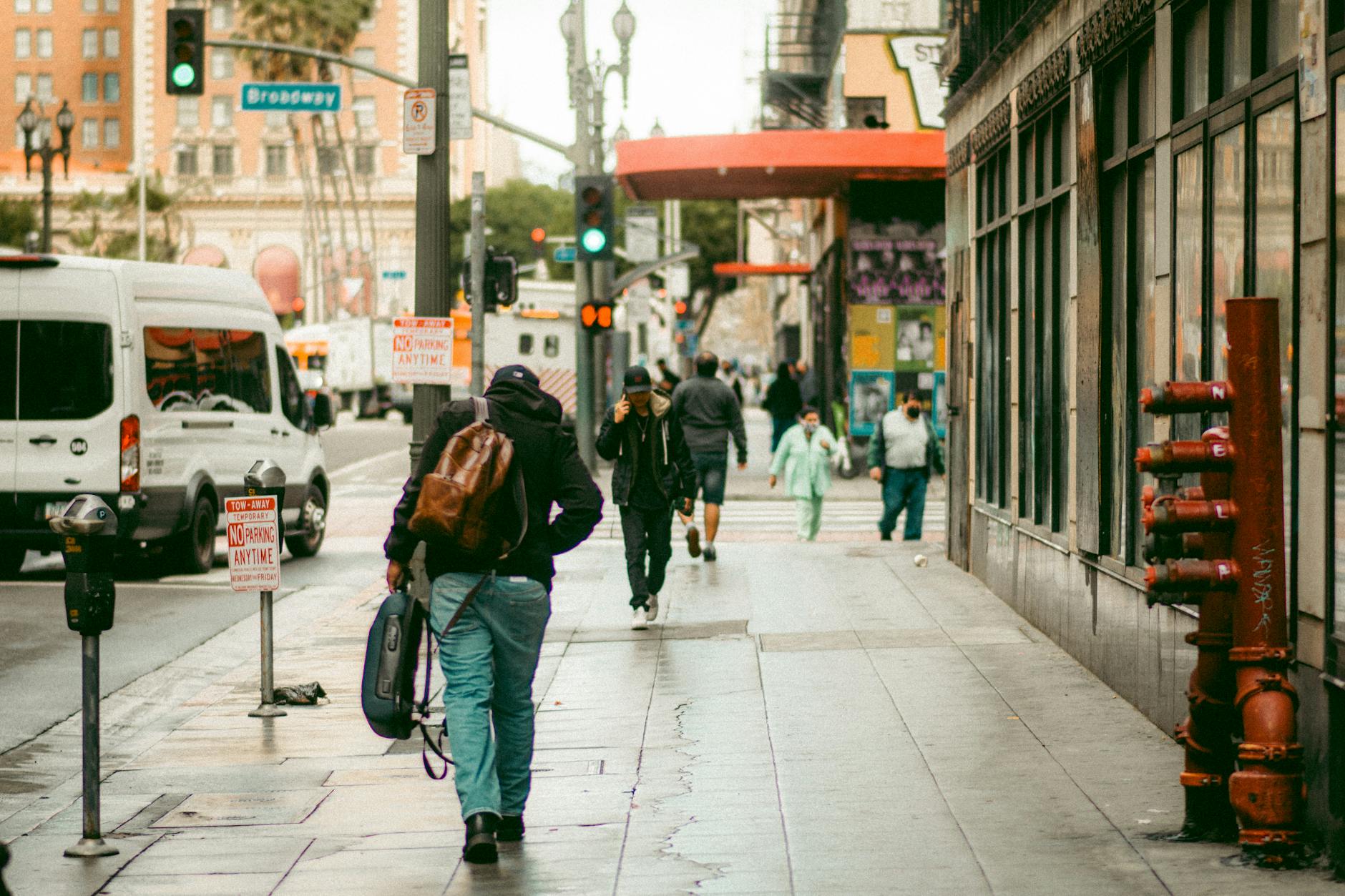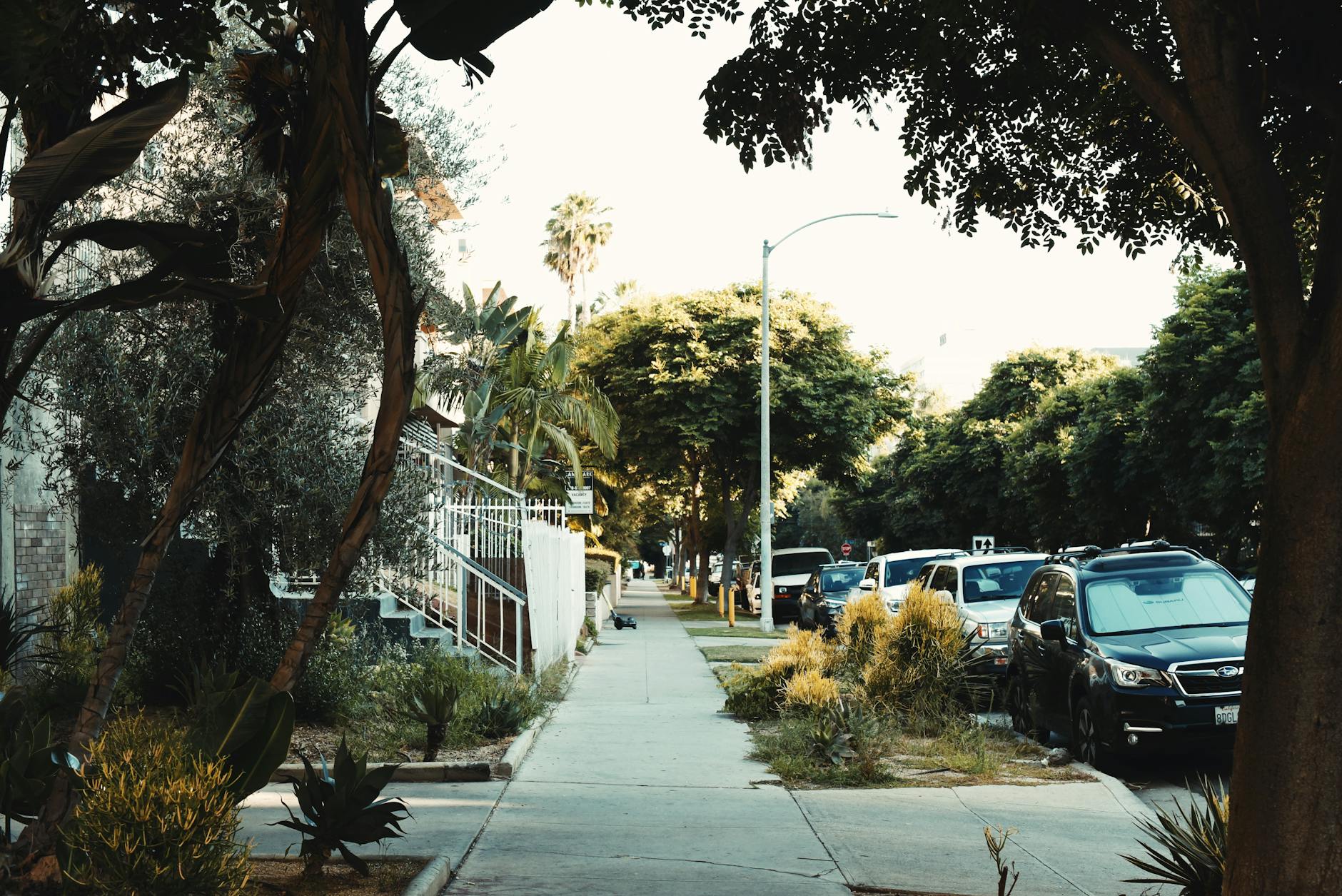
charming los angeles neighborhood street scene

Speaking of Sidewalks, see this report by the City Controller’s Office on our Sidewalk Repair “Strategy”

Recently the L.A. Times’ Steve Lopez wrote that “More than 30,000 people are waiting for their broken sidewalks to get fixed[.]” It raised yours truly’s eyebrow, which led to uncovering the following report on the city of L.A.’s 50,000+ broken sidewalk problem.

Of course, nearly five years after the publication of this report–and ten years after the Willits Settlement that mandated it–pedestrians in Los Angeles are still closer to a 125 year wait time for fully repaired sidewalks relative to the reported need. Nonetheless, what the document should make clear to all of us is that we absolutely have legal standing to hold the city to its word over its sidewalk repair process-or really–its lack thereof.

Please also note that the information provided on jimbotimes.com does not constitute legal advice, nor does it establish an attorney-client relationship. The material included is for general informational purposes only and may not reflect the most current legal developments. You should not act upon this information without also obtaining professional counsel from a licensed California attorney.

Source: Repairing L.A.’s Broken Sidewalk Strategy, 2021 Public Works

J.T.

people at the stockholm public library in sweden

Gentrification in our neighborhood necessitates forgetfulness; the same goes for the gentrification of the internet

“In response to the risk of materials falling into oblivion, humanity has built libraries and archives big and small, and developed rigorous preservation practices, so that the past need not be so easily lost. These institutions have not always collected fairly, nor have they always been accessible. Yet now more than ever, with the help of dedicated individuals and communities, these institutions seek to ethically collect and preserve culture broadly.”

“Corporate interests interfering with the library mission—that is, preserving and making culture accessible to the public—is far from new. Historically, legal protections for crucial library services such as interlibrary loan, electronic reserves for students, photocopying, and reformatting exceptions for patrons with print disabilities, were only secured after publishers attempted (and failed) to challenge these practices in court.”

Source: Vanishing Culture: A Report on Our Fragile Cultural Record (2026), Internet Archive

J.T.

a busy street in new york city new york united states

Los Angeles, as Pedestrians, you have the right of way on your sidewalks

Recently yours truly was pointed to a Municipal Code which certifies the right of the public to move about freely and accessibly through sidewalks belonging to the People of the City of Los Angeles. See the document for yourself below for details.

Of course, this doesn’t guarantee pedestrians full protection from a person or entity or group’s very capability to impede the right of way, but it does ensure that people have grounds for protest whilst hampered by such impediments.

To be fully clear though: Please note that the information provided on jimbotimes.com does not constitute legal advice, nor does it establish an attorney-client relationship. The material included is for general informational purposes only and may not reflect the most current legal developments. You should not act upon this information without also obtaining professional counsel from a licensed California attorney.

Source: Los Angeles Municipal Code Section 56.12, City Clerk

J.T.